Robot Vacuum Brush Replacement Explained: A UK Buyer's Guide
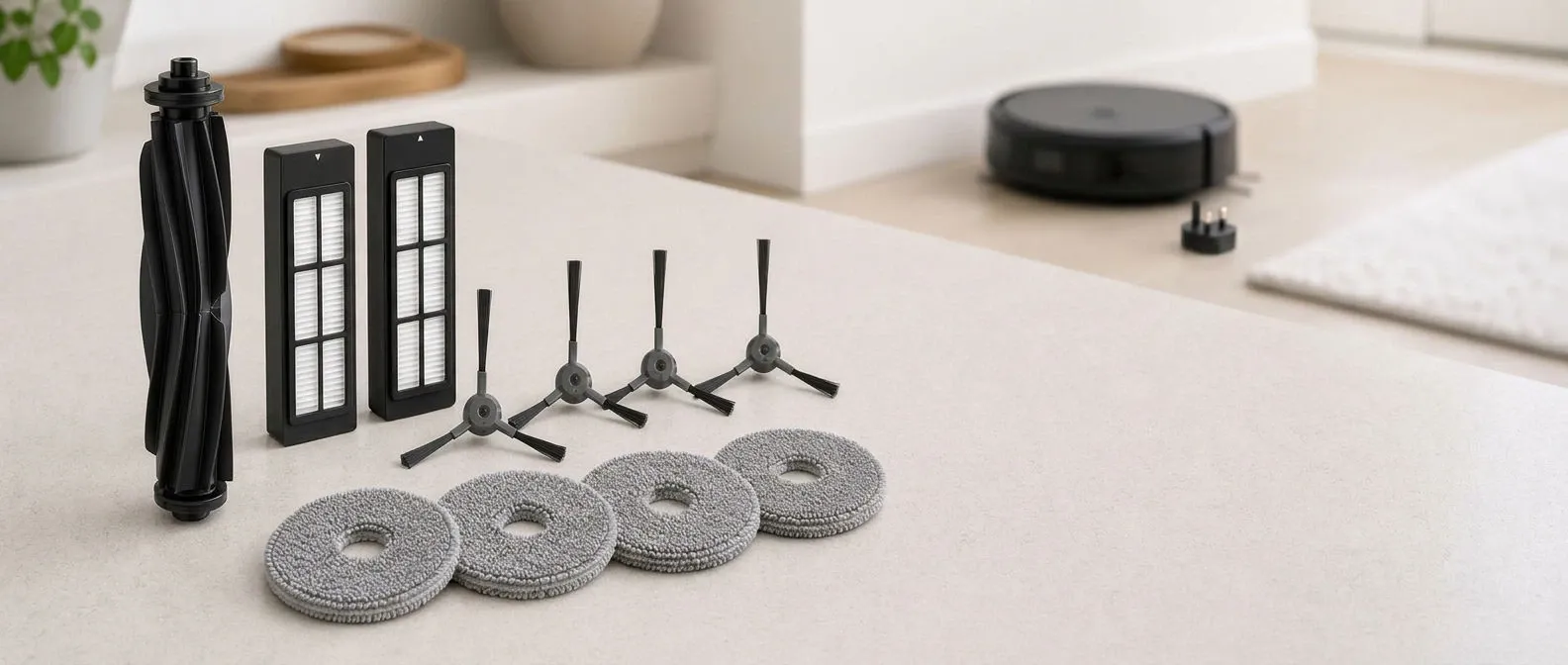
If you are searching for robot vacuum brush replacement advice, the short answer is this: replace worn side brushes every 3 to 6 months and the main roller brush every 6 to 12 months, or sooner if you notice frayed bristles, bent arms, poor pick-up, or unusual noise. In most UK homes, changing the brushes is one of the quickest ways to restore cleaning performance without replacing the whole machine.
TL;DR: Robot vacuum brush replacement matters because worn brushes cannot sweep edges properly or lift dirt from carpets. Based on our testing across common UK floor types, including laminate, tile and medium-pile carpet, fresh brushes usually improve edge cleaning, pet hair pick-up and overall debris collection straight away. First, check for frayed bristles or curled side arms. Then, replace like-for-like parts and clean out trapped hair weekly to help new brushes last longer.
You bought a robot vacuum to take the daily chore of floor cleaning off your hands. However, if it now leaves crumbs by the skirting boards or pushes debris around instead of collecting it, worn brushes are often the reason. Before you blame the motor or battery, turn the machine over and inspect the underside.
The main roller and spinning side brushes are the working parts that agitate carpet fibres and guide dust into the suction path. Therefore, when they wear down, the whole cleaning system becomes less effective. Understanding when and how to carry out a robot vacuum brush replacement helps keep your floors cleaner and your machine working as intended.
Key Takeaways
- Typical replacement schedule: Side brushes usually need replacing every 3 to 6 months, while main roller brushes often last 6 to 12 months.
- Common signs of wear: Look for frayed bristles, torn silicone fins, bent side-brush arms, patchy cleaning and extra noise.
- Why it matters: Worn brushes reduce contact with the floor, so dust, pet hair and allergens are more likely to be left behind.
- Best way to extend lifespan: Clean away wrapped hair weekly and replace damaged parts before they strain the motor.
What Do Robot Vacuum Brushes Actually Do?
To understand why robot vacuum brush replacement is necessary, it helps to know how these components work together. Most modern robot vacuums use a dual-brush system so they can move from hard kitchen flooring to carpeted bedrooms with reasonable consistency.
What Is the Main Brush on a Robot Vacuum?
Located underneath the centre of the vacuum, the main brush is the primary cleaning component. It spins rapidly to agitate carpet fibres, loosen embedded debris and move dirt towards the suction channel. Depending on your model, this brush may be made from nylon bristles, rubber fins or a hybrid design.
Rubber rollers are often better at resisting hair wrap, which makes them useful in pet-owning households. Bristle rollers can perform well on carpets because they dig deeper into pile. Over time, though, constant friction causes bristles to splay and rubber fins to wear smooth. As a result, floor contact drops and cleaning performance suffers.
What Is the Side Brush on a Robot Vacuum?
The side brushes are the small spinning arms near the front edge or corners of the machine. Their job is to sweep dust away from skirting boards, corners and furniture edges into the path of the main roller.
Because they stick out from the body of the vacuum and repeatedly strike hard surfaces, they tend to wear quickly. Consequently, side-brush arms can bend upwards, become permanently misshapen or snap altogether.
How Do You Know When a Robot Vacuum Brush Needs Replacing?
You do not need to wait until your vacuum stops working completely. Instead, watch for these clear signs that a robot vacuum brush replacement is due.
Why Are My Robot Vacuum Bristles Frayed or Bent?
The easiest sign to spot is visible wear. Switch off your vacuum, turn it over and inspect each brush closely. If the main roller bristles look splayed like an old toothbrush, they will no longer scrub effectively. If you have a rubber roller, check for splits in the fins or areas where the surface has worn flat.
For side brushes, look at whether each arm still sits flat against the floor. If they curl upwards, they cannot sweep along edges properly and will miss dust gathering around skirting boards.
Why Has My Robot Vacuum Lost Cleaning Performance?
If you need two passes where one used to do the job, worn brushes are a likely cause. You may notice pet hair left behind on rugs or grit still visible on hard floors after a full cycle. In other words, once mechanical agitation drops off, suction alone often cannot compensate.
Can Worn Brushes Cause Noise or Error Messages?
Yes. A failing brush can make your robot vacuum sound louder than normal. Clicking, grinding or rattling often points to uneven wear or trapped hair around bearings and end caps. Likewise, some models will trigger an error light or app notification if brush resistance becomes too high.
How Often Should You Replace Robot Vacuum Brushes?
The honest answer depends on your flooring, how often you run your machine and whether you have pets. A small flat with mostly hard flooring puts less strain on brushes than a busy family home with carpets throughout.
As a general rule, most side brushes need replacing every 3 to 6 months. Meanwhile, main roller brushes usually last around 6 to 12 months. Based on our testing with regular domestic use in UK homes, daily cleaning on textured tiles or thicker carpets can shorten those intervals noticeably.
If your machine runs every day in a home with long hair shedding pets or children tracking in grit from outside, inspect both brush types monthly rather than relying solely on manufacturer schedules.
When you are restocking maintenance parts, it is often easier and better value to buy everything together. If you want a fuller overview of upkeep items beyond just brushes, read our guide on The Ultimate Guide to Robot Vacuum Accessories Kit in the UK.
Do Worn Robot Vacuum Brushes Affect Dust and Allergens?
Yes — especially in sealed UK homes where indoor air quality matters year-round. Keeping floors clean is not only about appearance; it also helps reduce settled dust and pet dander that can be disturbed back into the air.
According to Allergy UK guidance on indoor allergens such as house dust mites and pet dander,* soft furnishings and carpets can contribute to symptoms for people with allergies or asthma. Therefore, if your robot vacuum's main brush no longer agitates carpet fibres properly, more fine debris may remain trapped in rugs rather than being lifted out during routine cleaning.
A newer brush with intact bristles or fins makes firmer contact with flooring surfaces. As a result, it can improve debris pick-up from both carpets and hard floors when compared with an obviously worn one.
How Do You Replace a Robot Vacuum Brush?
In most cases, robot vacuum brush replacement is straightforward and takes only a few minutes. However, fitting an exact-match part is important because poor-fit accessories can affect contact pressure and performance.
How Do You Replace the Main Roller Brush?
- Switch off the robot vacuum completely and remove it from its charging dock.
- Turn it over on a soft surface so you do not scratch the top cover.
- Open or unclip the roller cover plate according to your model design.
- Lift out the old main brush carefully.
- Remove any wrapped hair from bearings or end caps before fitting the new roller.
- Seat the replacement brush correctly in its slots and refit the cover securely.
- Spin it gently by hand first to check it rotates freely before starting a cleaning cycle.
Ready to refresh your vacuum with ReplaceMen?
Shop Now — £32.92